
AI-Powered Learning
Learn Chinese by actually practising it
Levelled reading, vocabulary that sticks, pronunciation coaching, and conversation when you want it.



AI-Powered Learning
Levelled reading, vocabulary that sticks, pronunciation coaching, and conversation when you want it.
1.1+
Million Speakers
3
Countries
World's most spoken language, essential for global business
The US Foreign Service Institute puts Chinese at roughly 2200 hours of instruction — about 88 weeks full-time — to reach professional working proficiency. Holding a simple conversation comes much sooner: most learners manage it inside the first few months.
NativePal shortens the part you control: reading at your level every day, vocabulary that returns before you forget it, and speaking practice that scores your pronunciation instead of just ticking a box.
Among the hardest for English speakers. There is no alphabet, so each character is learnt individually. Pinyin gets you speaking quickly, but reading fluently usually takes a few years.
The parts English speakers usually find hardest:
Chinese uses chinese characters; roughly 2,500 to 3,000 needed for everyday literacy. There is no alphabet, so each character is learnt individually. Pinyin gets you speaking quickly, but reading fluently usually takes a few years.
NativePal levels your Chinese practice with HSK, so reading lessons, vocabulary, and speaking prompts are generated for the level you select rather than a generic average. The ladder runs HSK 1 through to HSK 6.
Understand the HSK levels →Chinese is spoken in mainland China, Taiwan, Singapore, and Chinese communities worldwide, with 1.1+ billion speakers worldwide.
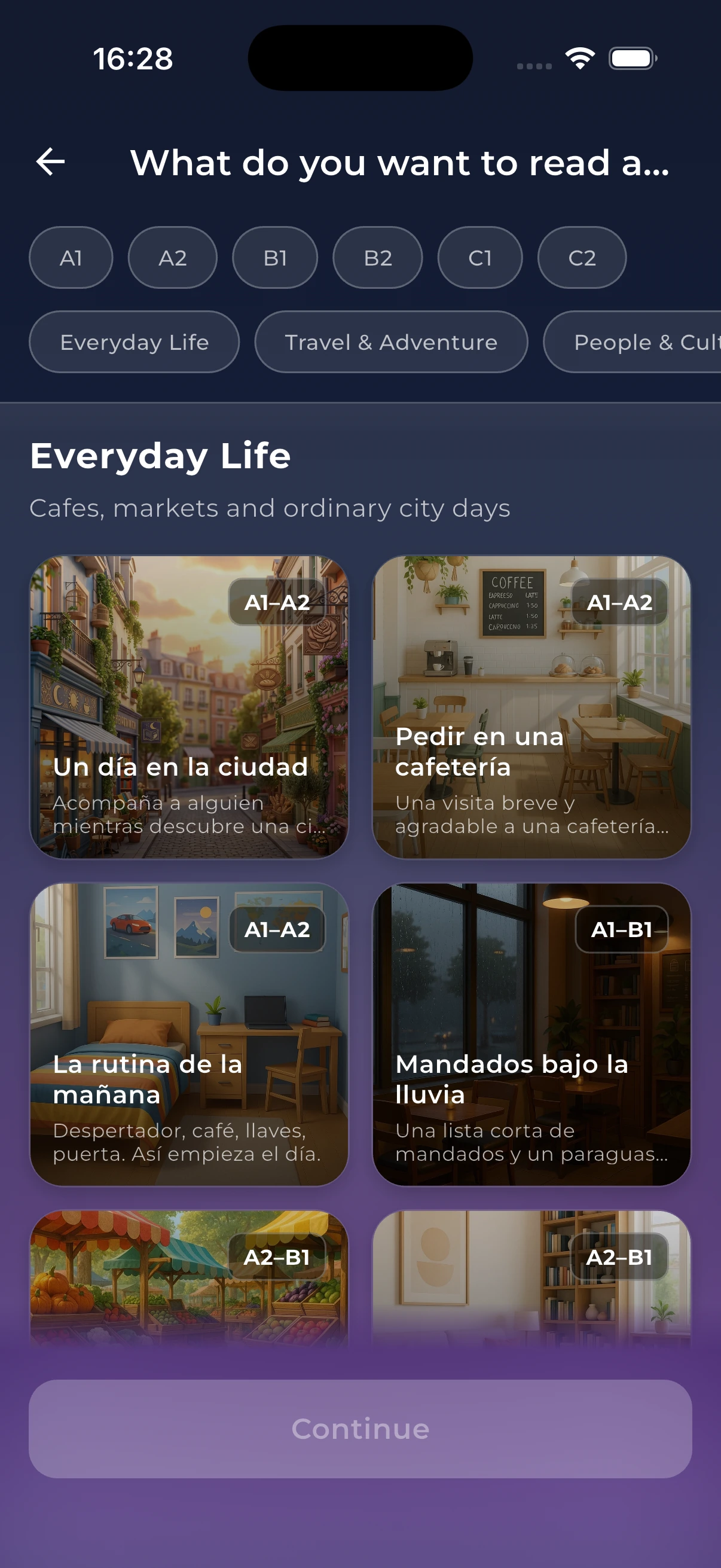
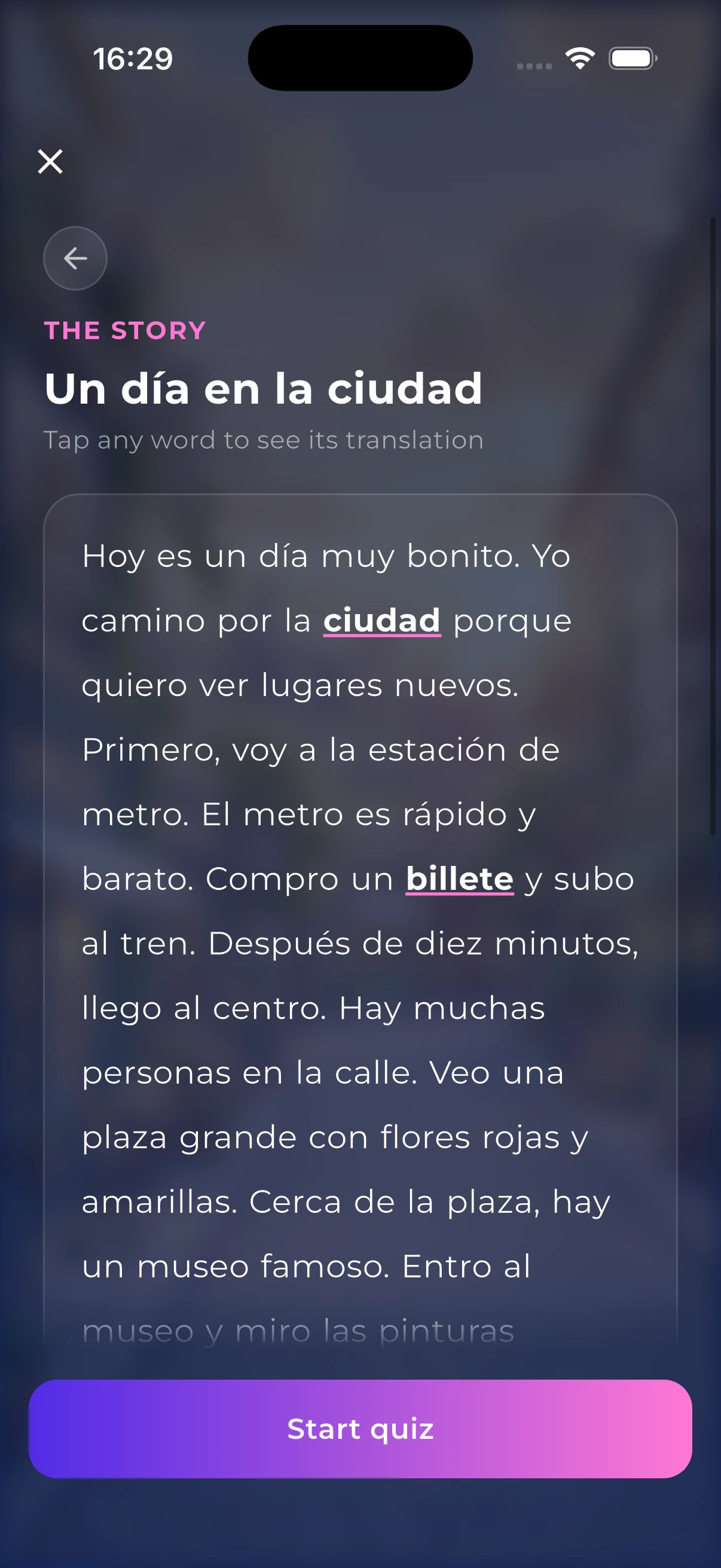
Get a fresh story in Chinese written for your level, with key vocabulary up front, tappable translations on every word, and a short quiz so you know what you understood.
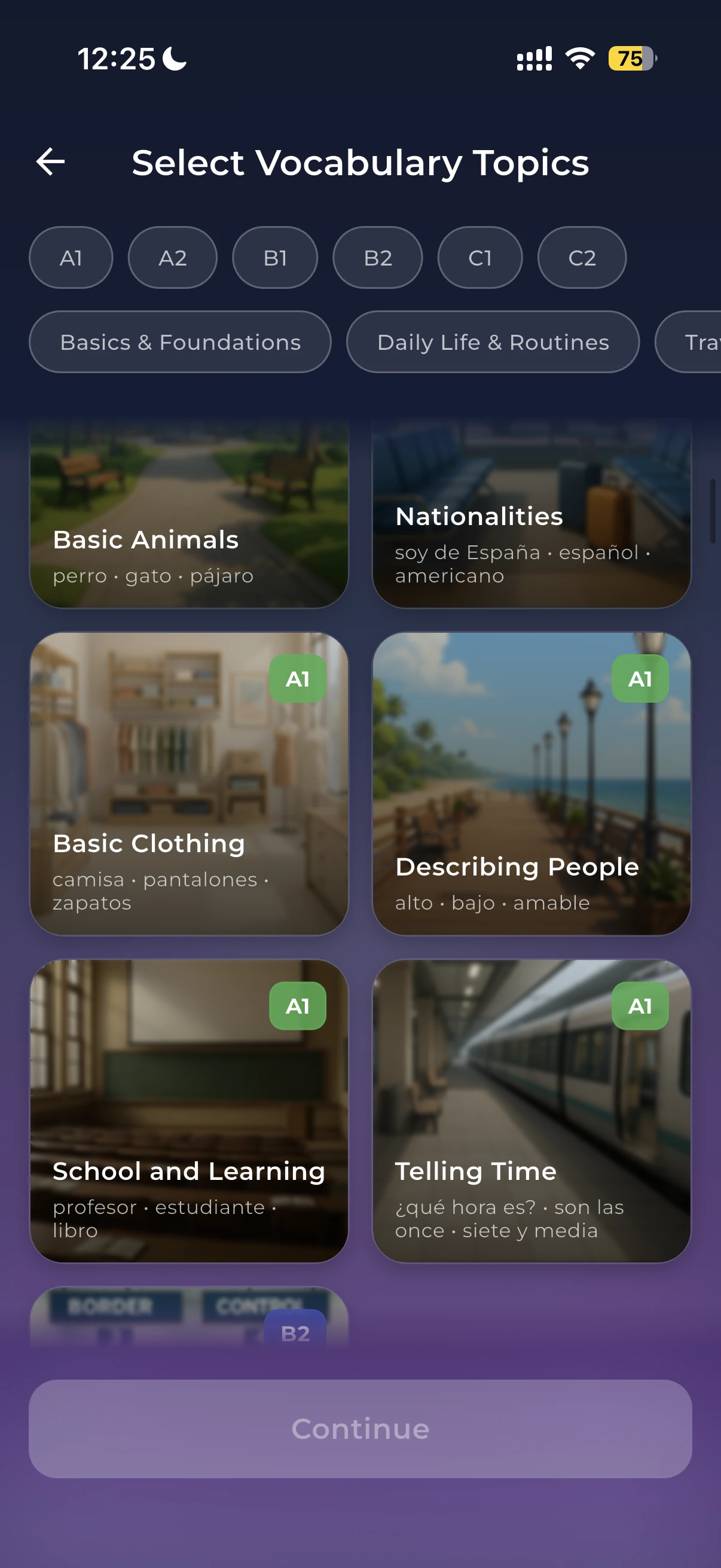
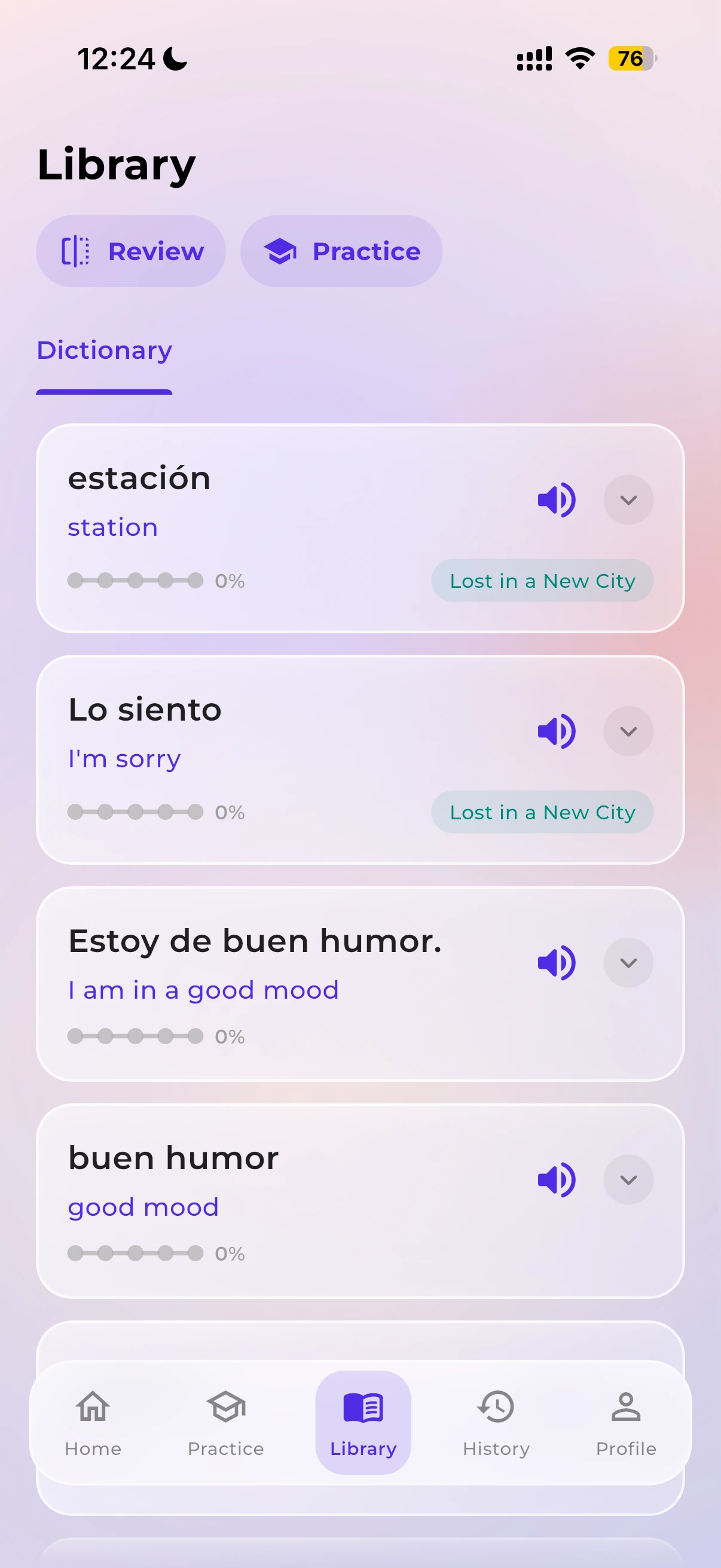
Learn Chinese vocabulary in themed lessons, then keep it in a personal dictionary that feeds spaced-repetition flashcards — so the word you looked up today is still yours next month.
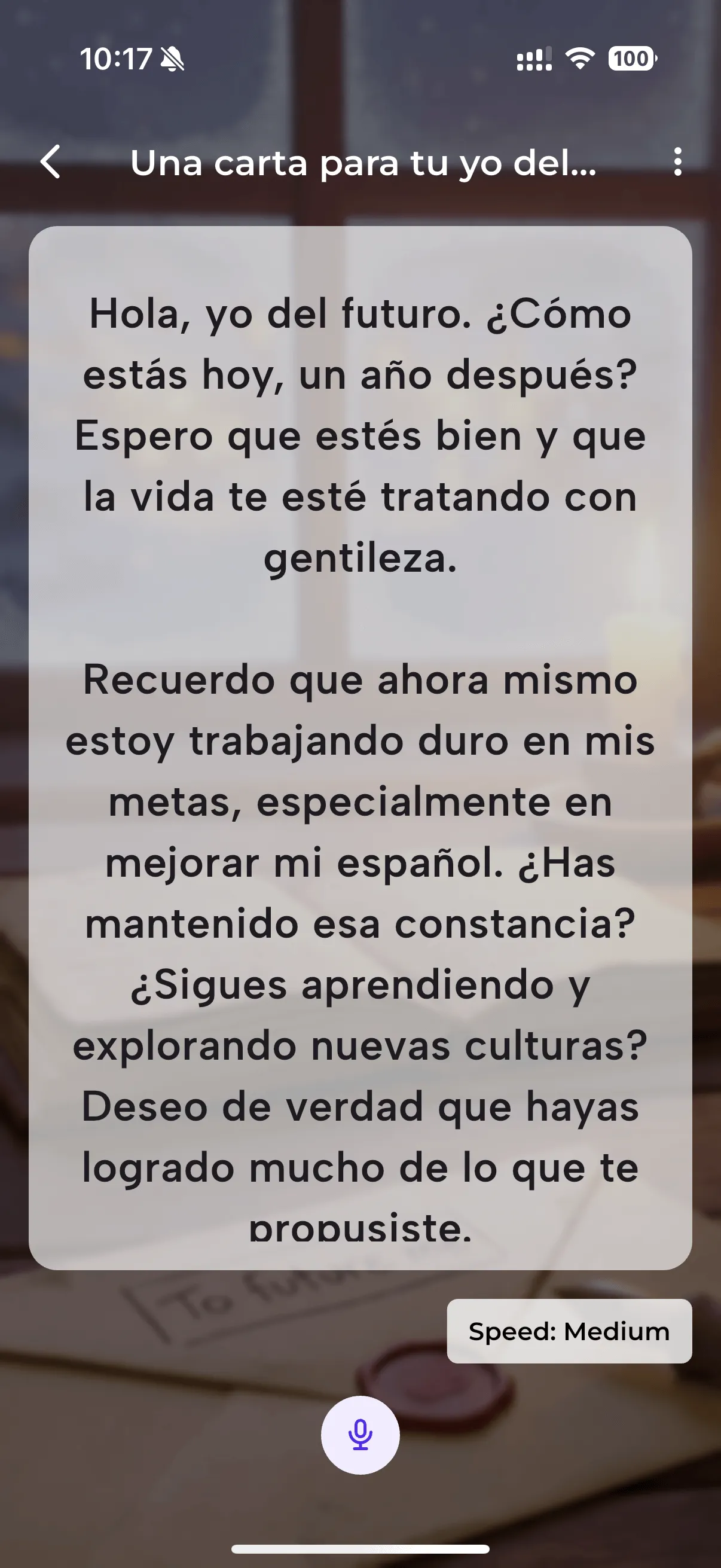
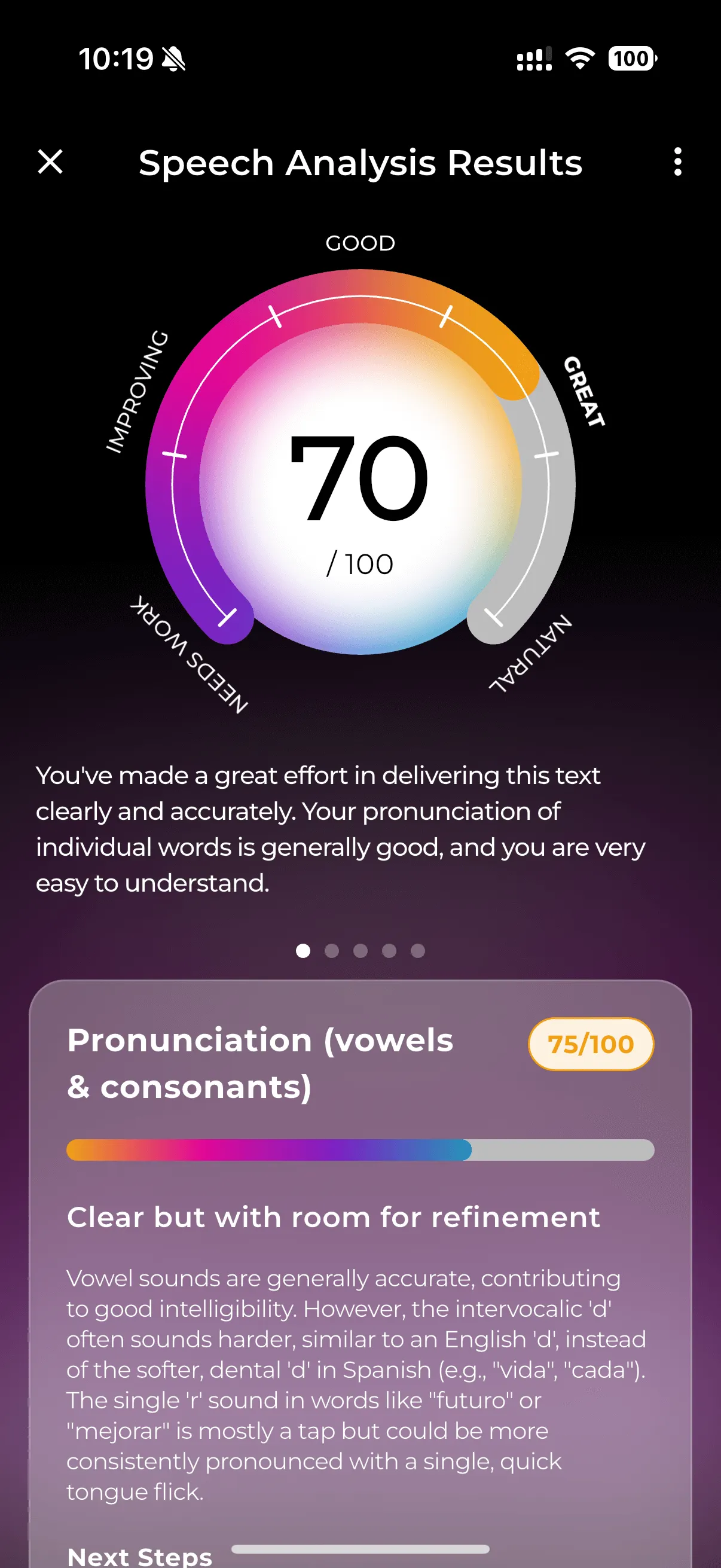
Read Chinese aloud on a teleprompter and get instant analysis of your speech — individual sounds, rhythm, fluency, and connected speech — not just a green check.
Yes. NativePal's Learning Scenarios start from the alphabet, numbers, greetings, and how to introduce yourself, with no prior Chinese assumed. Once those land, reading lessons and vocabulary packs pick up from wherever you are.
Yes. You read Chinese aloud on a teleprompter and get scored on individual vowels and consonants, stress, rhythm and intonation, fluency, and connected speech — not just a pass or fail. The 60-second daily speaking challenge adds freeform practice on top.
Yes, and it is the most-used part of the app. Speaking Practice is a teleprompter you read aloud for scored pronunciation feedback, the daily challenge gives you 60 seconds of freeform talk, and you can reply with your voice in any chat or roleplay scenario.
NativePal is free to start, with a daily allowance across reading, vocabulary, speaking practice, and chats. A premium subscription removes the daily limits and unlocks the longer formats. Prices are set in the App Store and Google Play and vary by region.
No. NativePal uses anonymous sign-in, so you can start practising Chinese without an email address or social login.
Join thousands of learners using NativePal to read, remember words, and speak with feedback. Available free on iOS and Android.
Levelled reading • Spaced-repetition vocabulary • Pronunciation feedback • 57 languages