ChatGPT vs NativePal: a chatbot is not a language tutor
A lot of learners have quietly replaced language apps with ChatGPT. It will talk to you in Spanish at 1 a.m., invent a café scene, and never laugh. That is useful. It is also incomplete. There is no score on your /r/, no CEFR story with tappable words, no dictionary that feeds flashcards, and no beginner track unless you paste a syllabus. NativePal is what you get when those loops are the product instead of a prompt you have to remember.
The short answer
Use ChatGPT when you already know how to run a lesson. Use NativePal when you want reading, vocabulary, pronunciation, and a path without writing prompts.
NativePal compared with ChatGPT
NativePal
ChatGPT
Best for
A complete practice loop: reading, vocab, grammar, pronunciation, conversation, and practice on your own mistakes
Open-ended conversation if you design the session yourself
Speaking practice
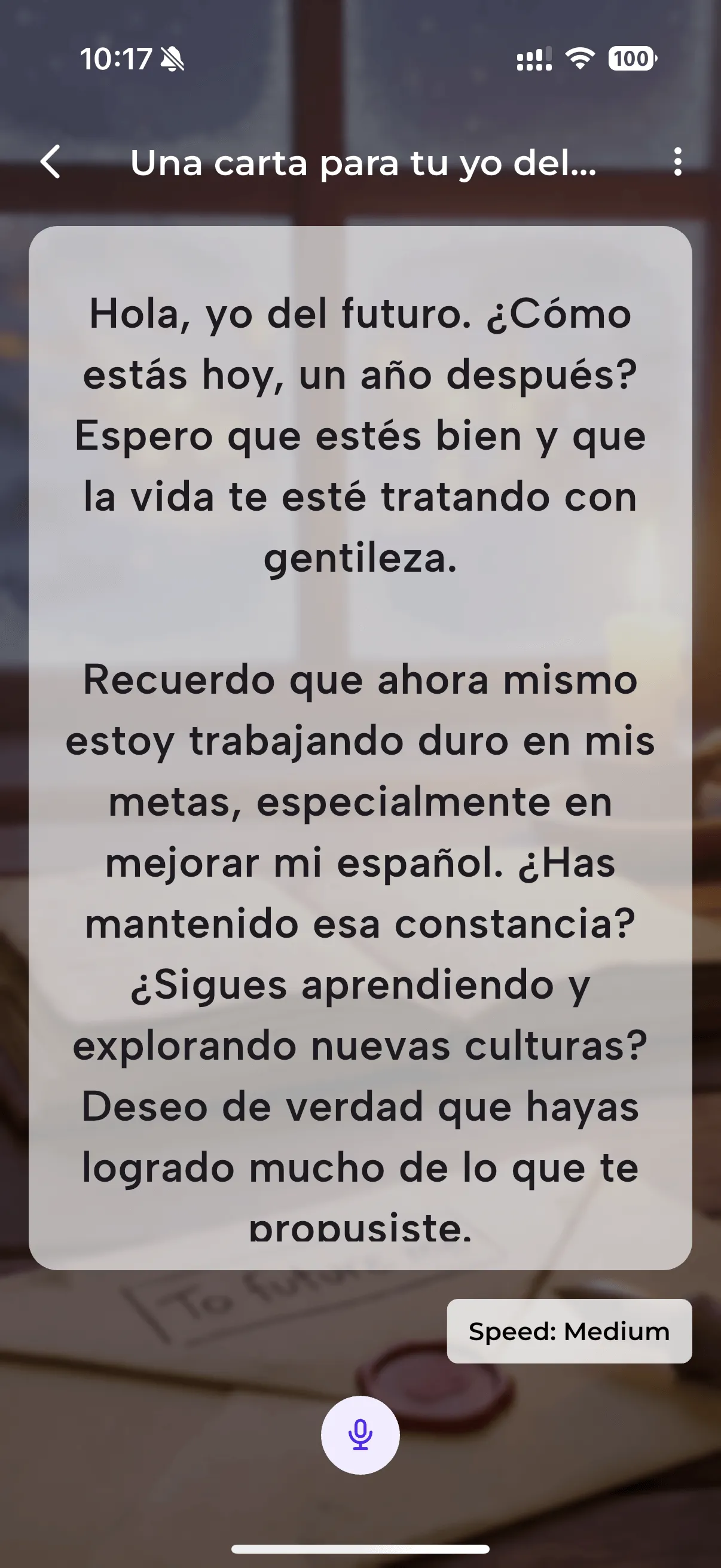
Teleprompter (your own scripts too, with a Latin-letter reading aid), 60-second daily challenge, plus optional voice in chats
Voice mode exists; you must invent drills and stay honest
Pronunciation feedback
Per-sound, rhythm, fluency, and connected-speech analysis
No dedicated scoring of vowels, stress, or fluency
Languages
57, including English and less-common languages
Any language the model can produce — quality varies
Conversation partner
3D Pixar-style pals, language-specific natives, custom characters
You can roleplay; no persistent language-learning characters
Beginner path
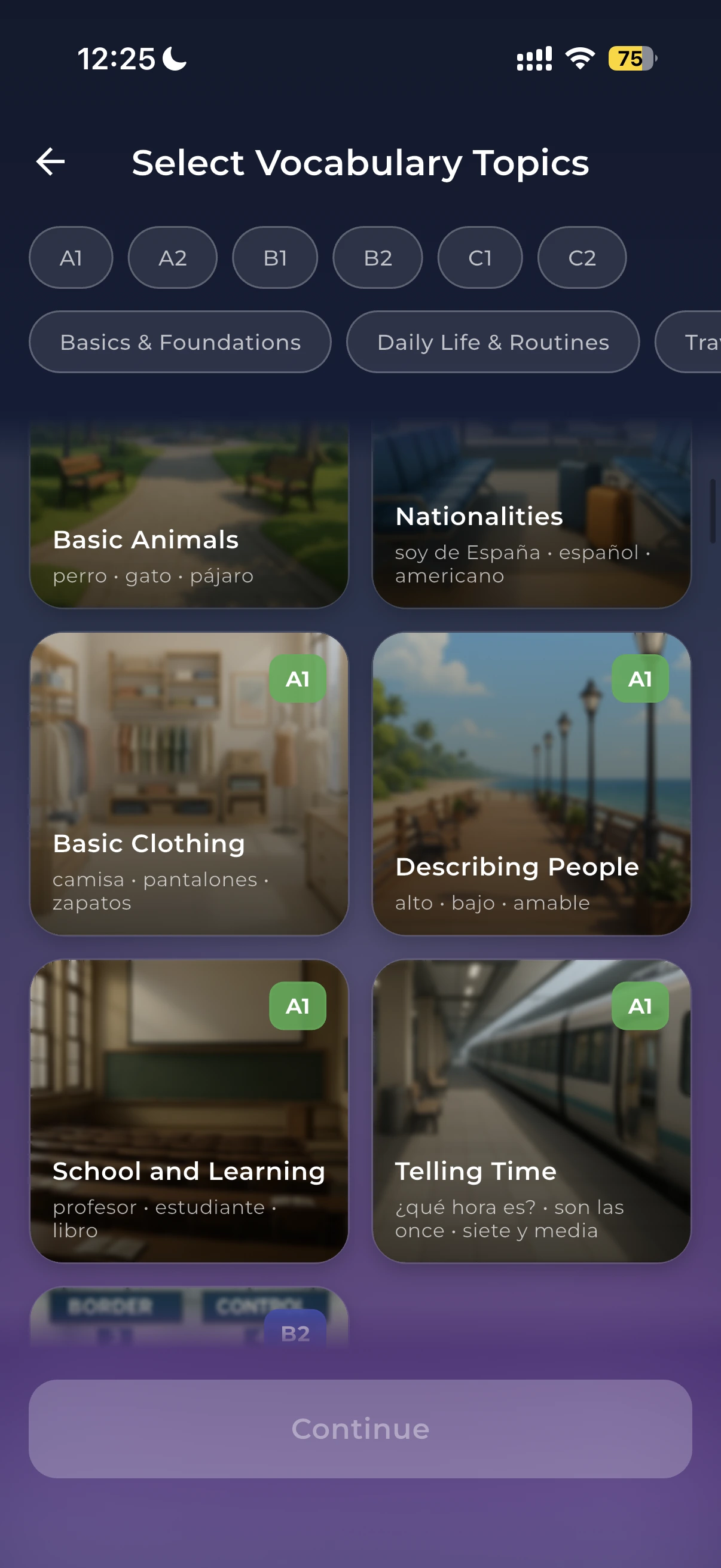
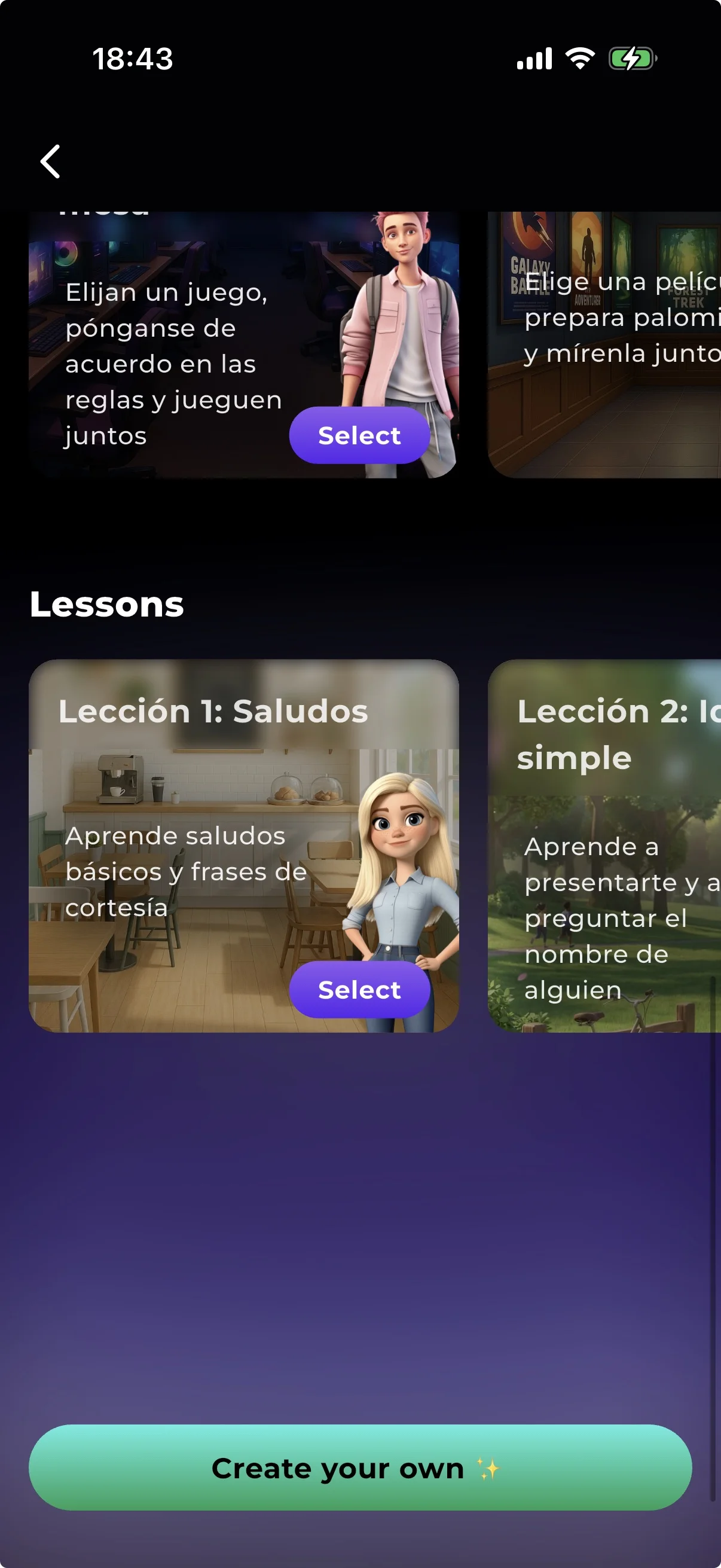
Alphabet lessons, then first words, grammar lessons and guided scenarios. No prior knowledge needed
None — you have to ask for a curriculum
Reading & vocabulary
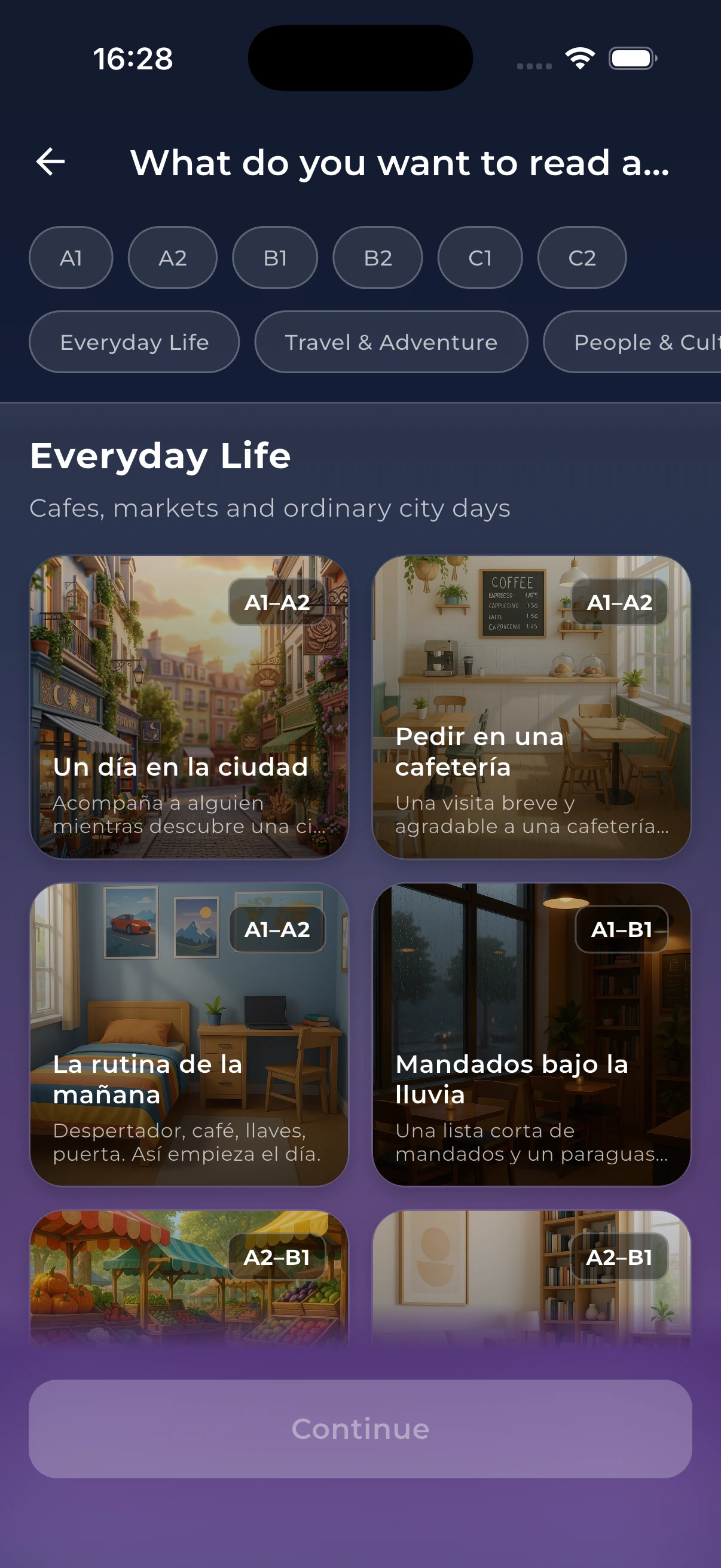
CEFR / JLPT / HSK / TOPIK stories from a topic library or your own idea, dictionary, spaced-repetition flashcards
It can generate texts; no CEFR library, tappable words, or SRS
Free to start
Yes — daily allowance; premium in the App Store and Google Play
Yes — a free tier; Plus is paid
Platforms
iOS and Android
Web, iOS, Android
Pick NativePal if
You want levelled reading, a dictionary, and spaced repetition — not a blank chat window
You want pronunciation analysis, not “sounds good!” from a general model
You need beginner lessons that already exist: the alphabet, first words, grammar, numbers and introductions
You would rather open an app than engineer a system prompt
Pick ChatGPT if
You enjoy designing your own drills and you will actually do them
You only need occasional translation or explanation
You already pay for ChatGPT Plus and refuse a second subscription
You are practising a language NativePal does not support (rare, but possible)
Conversation is the easy part. The loop is the hard part.
ChatGPT will happily stay in character as a Madrid barista. NativePal will too — when you want it. The product around that chat is the difference: CEFR-levelled reading with tappable words, a personal dictionary with spaced repetition, grammar lessons, a teleprompter that scores your speech, and a beginner path that already exists. Practice produces a next action (review this word, repeat this sound, practise a mistake you keep making, try the formal register) instead of just another paragraph.
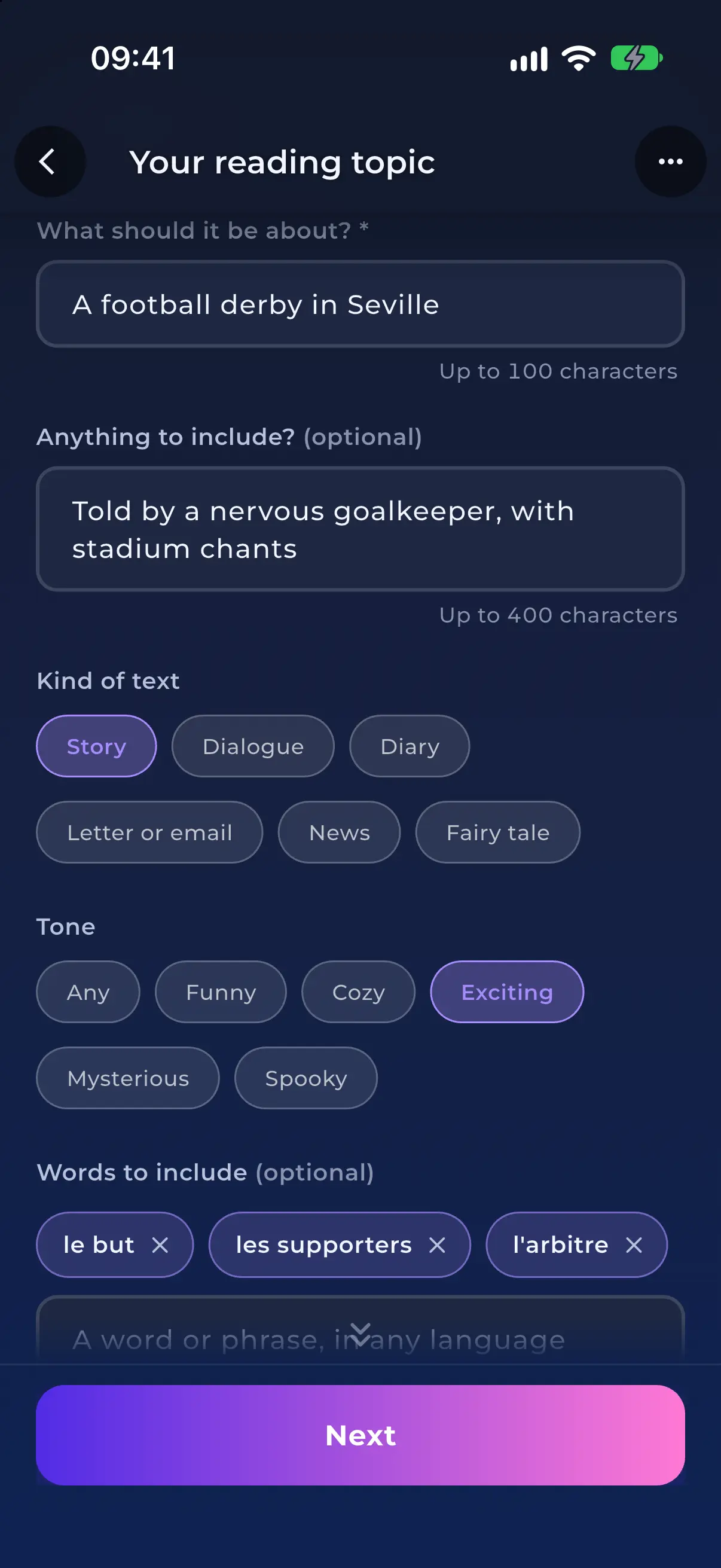
Your own topics, without writing prompts
The best argument for ChatGPT is that it will write about anything you ask. Since version 2.11, so will NativePal: describe a topic, a situation or the words you need, and it writes a reading story, a vocabulary lesson, a teleprompter script or a role-play at your level. The difference is what happens next. The story comes with the key words first, a translation on every word and a quiz; the words can go into your dictionary and come back as flashcards; the script is scored sound by sound; and the lesson is kept, so a story can continue chapter by chapter. Creating your own lessons is part of NativePal's premium plan.
Voice mode is not a speech tutor
ChatGPT’s voice is a conversation. NativePal’s Speaking Practice is a teleprompter plus an analyser: vowels, consonants, stress, fluency, connected speech. Daily Challenges give you 60 seconds of free talk and three levels of native alternatives. You can approximate that with a long prompt. Almost nobody does, every day, after work.
Curriculum, levels, and memory
NativePal reading lessons sit on CEFR A1–C2, with JLPT, HSK, and TOPIK where those systems apply, and the grammar course for the language you are learning uses the same levels, one topic at a time. Learning Scenarios walk true beginners through the basics without a prompt library. Words you meet in stories and lessons land in a dictionary that feeds flashcards, and the mistakes you make in quizzes, chats and the daily challenge come back as practice until you get them right. ChatGPT can mimic all of that for one session. NativePal keeps it in the app so you are not rebuilding the classroom from scratch each time.
No. NativePal is a language-learning product: levelled reading, a personal dictionary with spaced repetition, grammar lessons, scored speaking, structured beginner lessons, your mistakes brought back as practice, and conversation when you want it. A general chatbot can imitate pieces of this if you prompt it well.
Can I use both?
Yes. Some people ask ChatGPT to explain a grammar rabbit hole, then practise the same point in NativePal — in a story, a flashcard deck, or out loud. If you only have time for one, pick NativePal when you want a loop that does not depend on prompting.
Does NativePal work offline like a downloaded ChatGPT conversation?
NativePal needs a network for AI replies and analysis, same idea as ChatGPT. It is a mobile app for iOS and Android, not a web chat window.
Is ChatGPT cheaper?
ChatGPT has a capable free tier. NativePal is also free to start with daily limits. Compare the paid plans in each store if you need unlimited use; prices change by region.
Can NativePal write a lesson about any topic, like ChatGPT can?
Yes, since version 2.11. Describe what you want, such as a story, the words for a job interview, a toast or a conversation with a landlord, and NativePal writes it at your level as a reading, vocabulary, teleprompter or role-play lesson, with the quiz, flashcards or pronunciation scoring built in. It is part of premium. For anything far outside language learning, ChatGPT is still the more flexible tool.
Start practising today
Download NativePal and practise for free. Reading, vocabulary, pronunciation, and conversation in 57 languages. No account required.