Rosetta Stone vs NativePal: immersion method vs practice loop
Rosetta Stone earned its reputation honestly. Dynamic Immersion — matching sounds and images with no translation — has real research behind it and thirty-plus years of classroom use, and TruAccent is one of the better pronunciation trainers in consumer software: forgiving enough not to punish an accent, sharp enough to be useful. The fair criticism is not that Rosetta Stone got worse. It is that the market caught up, and that immersion alone tends to run out of road somewhere around A2 to B1.
The short answer
Pick Rosetta Stone if you want the classic no-translation on-ramp and a pronunciation trainer with decades of research behind it. Pick NativePal if you want reading, vocabulary, and scored speaking to carry you past the early levels.
NativePal compared with Rosetta Stone
NativePal
Rosetta Stone
Best for
A complete practice loop: reading, vocab, pronunciation, and conversation
Immersion without translation, and a well-researched pronunciation on-ramp
Speaking practice
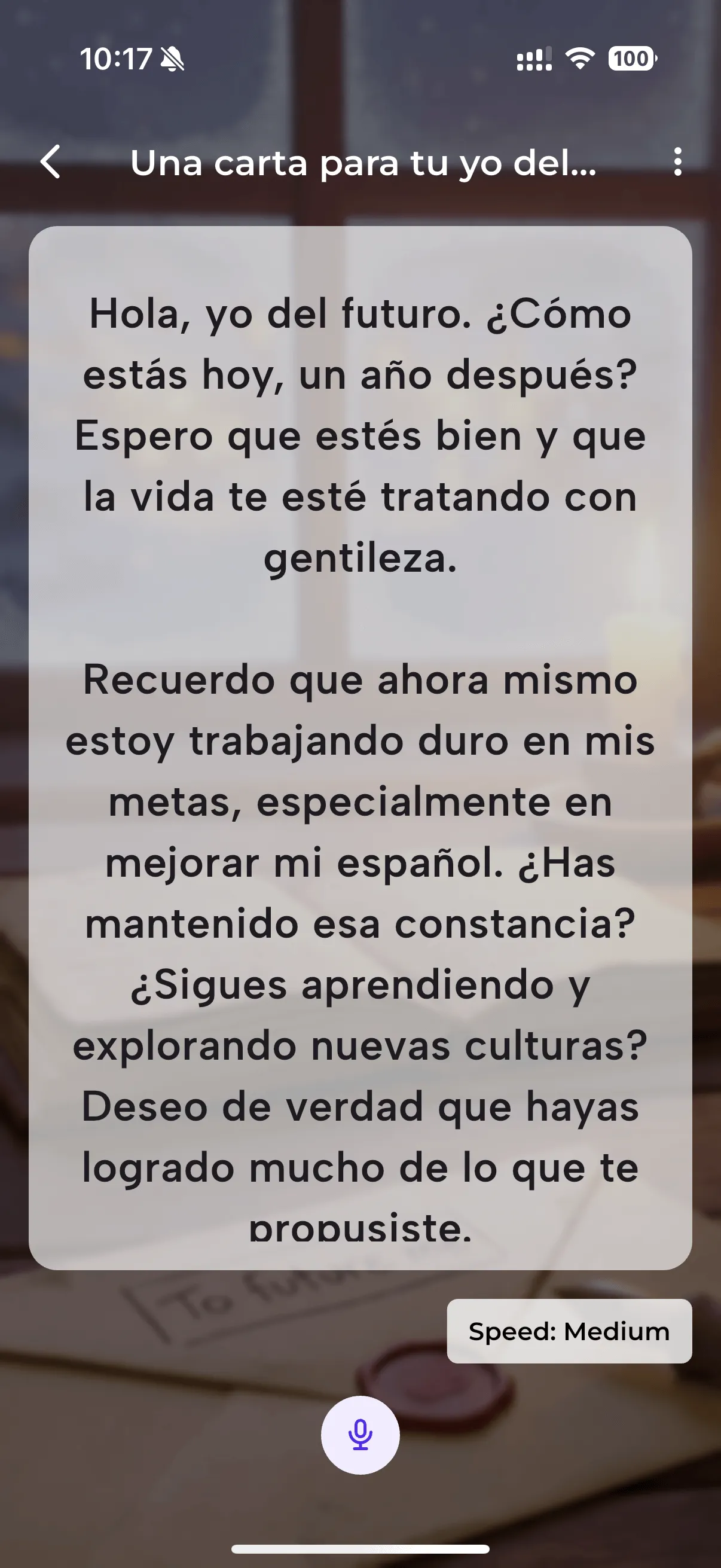
Teleprompter, 60-second daily challenge, plus optional voice in chats
TruAccent speech recognition in nearly every lesson, plus conversation practice in the newer Sapphire experience
Pronunciation feedback
Per-sound, rhythm, fluency, and connected-speech analysis
TruAccent is genuinely good — forgiving enough not to punish an accent, sharp enough to be useful — though it reports a score rather than a per-sound report
Languages
57, including English and less-common languages
Around 25 as of writing, including several less commonly taught ones
Conversation partner
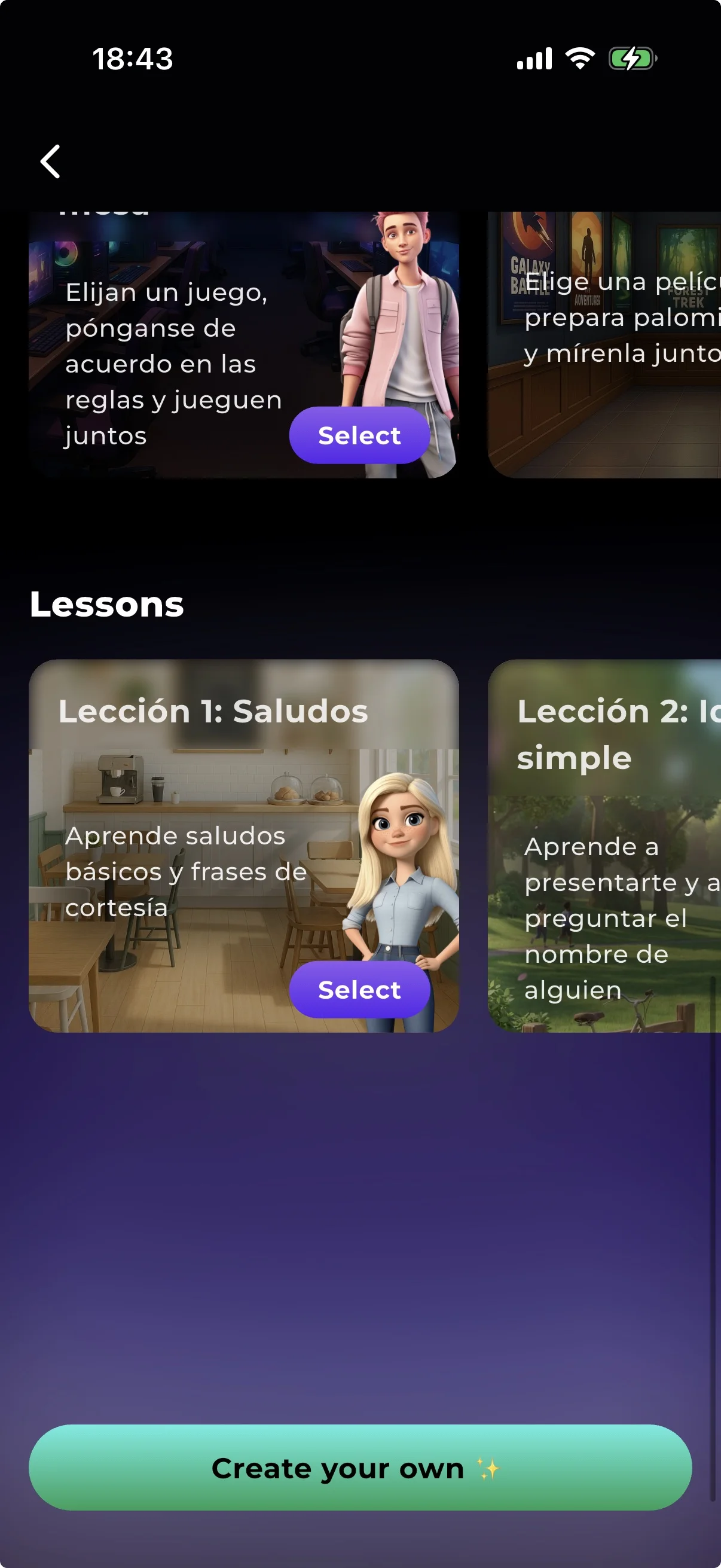
3D Pixar-style pals, language-specific natives, custom characters
Guided conversation practice; not a persistent character roster
Beginner path
Alphabet lessons in every language, then guided scenarios; no prior knowledge
Excellent — Dynamic Immersion has decades of classroom use and published research behind it
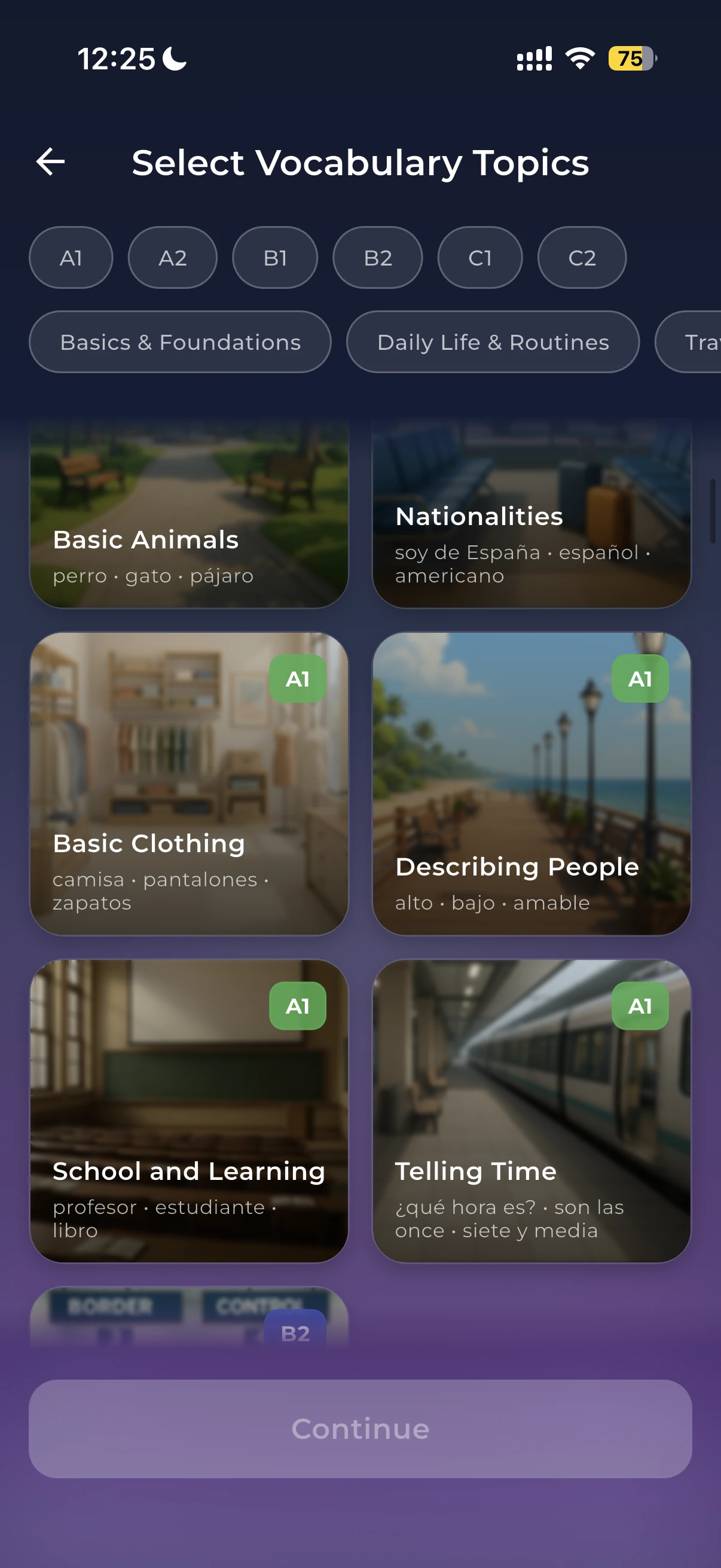
Immersion reading, plus hundreds of topic-based flashcard sets per language
Free to start
Yes — daily allowance; premium in the App Store and Google Play
A demo lesson and a trial; full access is a subscription or a lifetime purchase
Platforms
iOS and Android
iOS, Android, web
Pick NativePal if
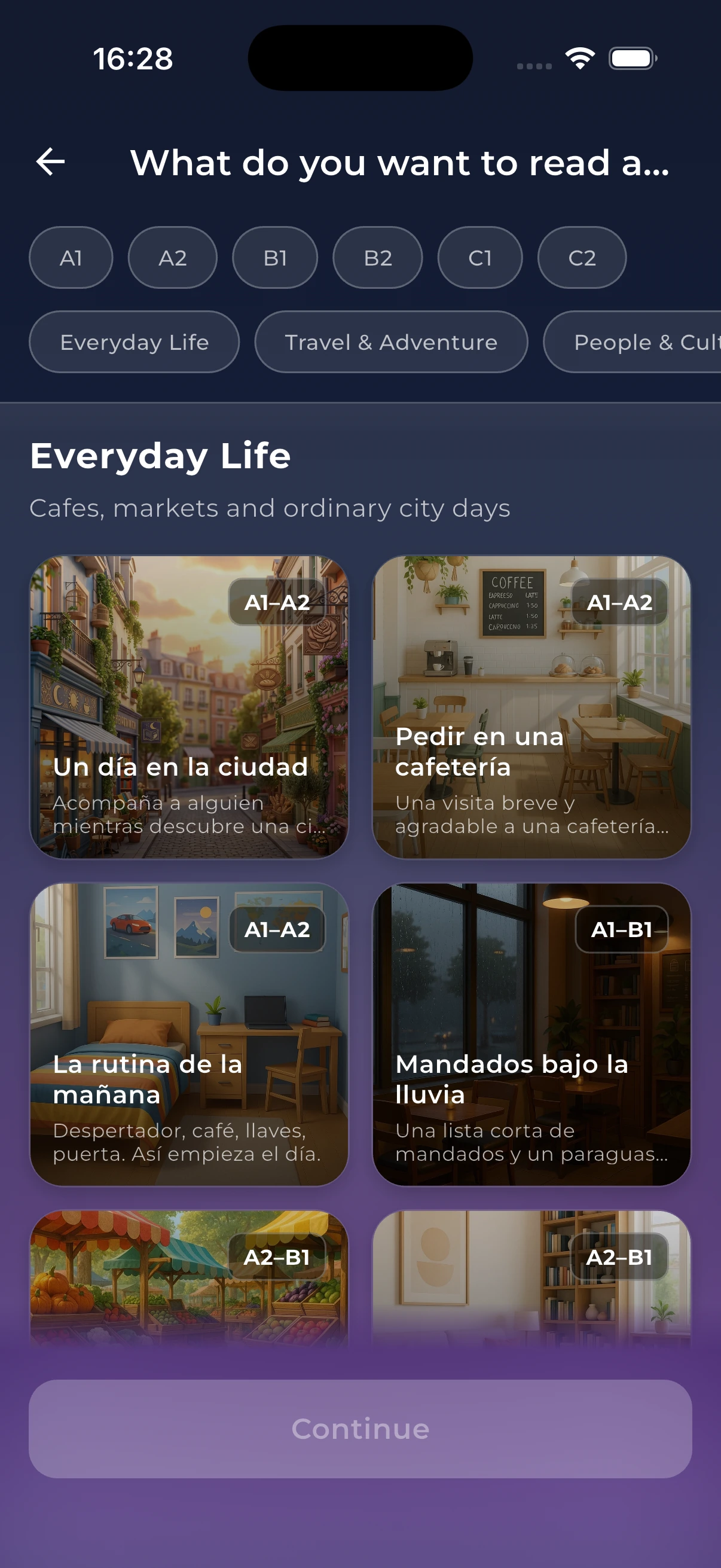
You want to get past the beginner plateau with levelled reading and a real vocabulary system
You want pronunciation reported by sound, stress, fluency, and connected speech, not as a single score
You want conversation and role-play built into the app
Your language is outside Rosetta Stone's roughly 25
Pick Rosetta Stone if
You like learning entirely without translation and want the method that popularised it
You want a polished, low-pressure introduction to a language's sounds
You value TruAccent's speech recognition and consistent audio quality
You would rather buy lifetime access than run another subscription
Where Rosetta Stone is genuinely better
The immersion method is not marketing. There is published research on it, it has been used in schools and government programmes for decades, and the recording quality across all its languages is genuinely good — clear, well-paced native speakers rather than synthesised audio. TruAccent is built into nearly every lesson, which means you speak constantly from day one. For pure early-stage pronunciation habits, it holds up against anything released recently.
Where immersion stops being enough
No translation means no explanation, and past the basics most learners want one. Rosetta Stone's own answer is the newer Sapphire experience, with conversation practice and hundreds of flashcard sets per language. NativePal's answer is different: CEFR-levelled reading with tappable words and comprehension quizzes, a personal dictionary that feeds spaced-repetition flashcards, and a teleprompter that tells you which vowel you missed rather than whether the whole phrase passed.
Two different pronunciation philosophies
TruAccent compares what you said against a large bank of native recordings and gives you a verdict. NativePal's Speaking Practice reports on individual vowels and consonants, prosody, fluency, and connected speech, and the 60-second Daily Challenge then offers native alternatives at basic, natural, and formal registers. TruAccent is better at building early confidence without discouraging you. NativePal is better when you want to know exactly what to fix.
Is Rosetta Stone's immersion method actually effective?
Yes, within limits. There is genuine research supporting Dynamic Immersion, and it is very good at building early confidence, pronunciation habits, and core vocabulary without leaning on translation. Independent reviewers generally put its realistic ceiling around A2 to B1, which is why most learners eventually add something else.
Which has better pronunciation feedback, TruAccent or NativePal?
They answer different questions. TruAccent is a well-tuned pass/score system built into nearly every lesson, and it is deliberately forgiving. NativePal's teleprompter reports on individual vowels and consonants, plus prosody, fluency, and connected speech. TruAccent is kinder for beginners; NativePal is more diagnostic.
How many languages does Rosetta Stone teach?
Around 25 as of writing, including several less commonly taught ones. NativePal supports 57 target languages, with reading levelled to CEFR plus JLPT, HSK, and TOPIK where those systems apply.
Is NativePal a good Rosetta Stone alternative for intermediate learners?
That is the gap it fits best. If immersion got you comfortable with the sounds and the basics but you have stalled, levelled reading, a dictionary that feeds flashcards, and scored speaking practice are the loops that usually move people forward.
Start practising today
Download NativePal and practise for free. Reading, vocabulary, pronunciation, and conversation in 57 languages. No account required.