Babbel vs NativePal: a written course vs a practice loop
Babbel is the app people recommend when someone says Duolingo felt like a game. Its lessons are written by linguists, the grammar is actually explained, and the dialogues sound like something a person would say. That is a genuine strength, and it is why Babbel keeps winning reviews. The trade-offs are the shape of the catalogue — around 14 languages as of writing — and the fact that once you finish a lesson, the practice loop mostly stops. NativePal is built the other way round: the loop is the product.
The short answer
Pick Babbel if you want the best-written beginner course in a major European language. Pick NativePal if you want reading, vocabulary, and scored speaking practice — especially in a language Babbel does not teach.
NativePal compared with Babbel
NativePal
Babbel
Best for
A complete practice loop: reading, vocab, pronunciation, and conversation
Structured, expert-written courses in a small set of major languages
Speaking practice
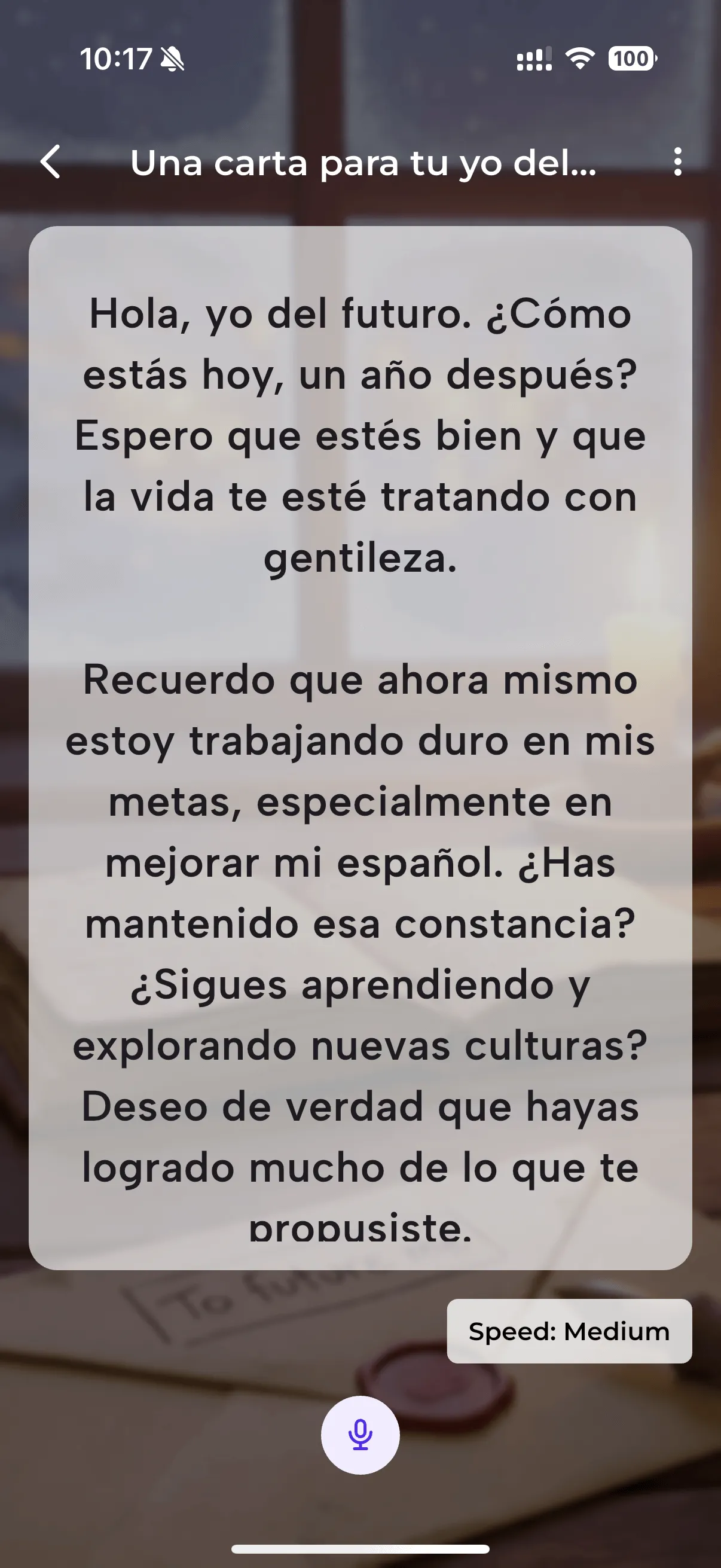
Teleprompter, 60-second daily challenge, plus optional voice in chats
Speech-recognition drills inside lessons, plus Babbel Speak — an AI conversation tab, in beta for a few languages
Pronunciation feedback
Per-sound, rhythm, fluency, and connected-speech analysis
Instant pass/retry feedback on words and phrases; not a per-sound breakdown
Languages
57, including English and less-common languages
Around 14 as of writing — mostly major European languages, plus Turkish and Indonesian
Conversation partner
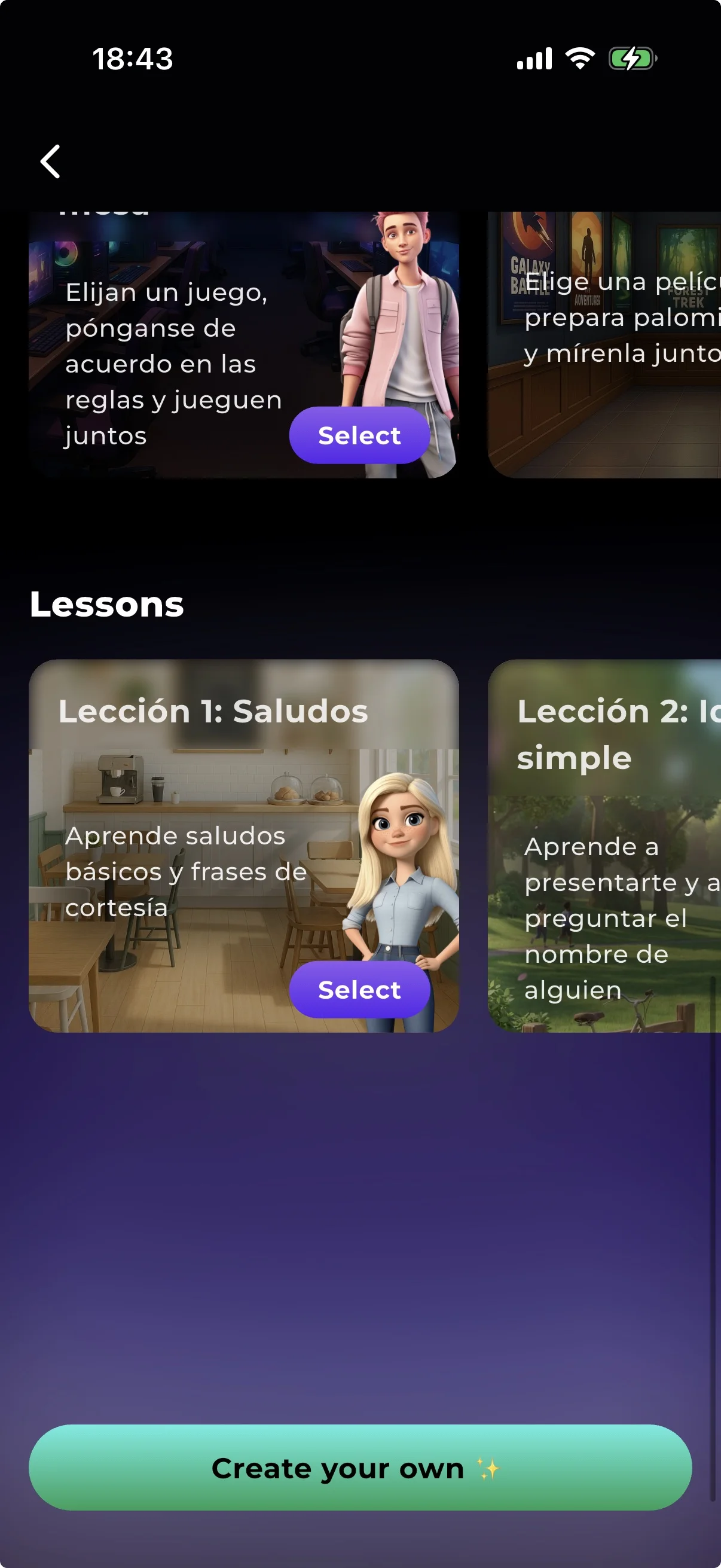
3D Pixar-style pals, language-specific natives, custom characters
Babbel Speak gives you an AI partner in selected languages; no character roster
Beginner path
Alphabet lessons in every language, then guided scenarios; no prior knowledge
Very strong — a real curriculum with grammar explanations written by linguists
Course dialogues and a review manager; not a personal dictionary you build from your own reading
Free to start
Yes — daily allowance; premium in the App Store and Google Play
A limited slice of each course is free; full access is subscription only
Platforms
iOS and Android
iOS, Android, web
Pick NativePal if
Your target language is not one of Babbel's roughly 14
You want pronunciation broken down by sound, stress, and fluency rather than a pass/retry mark
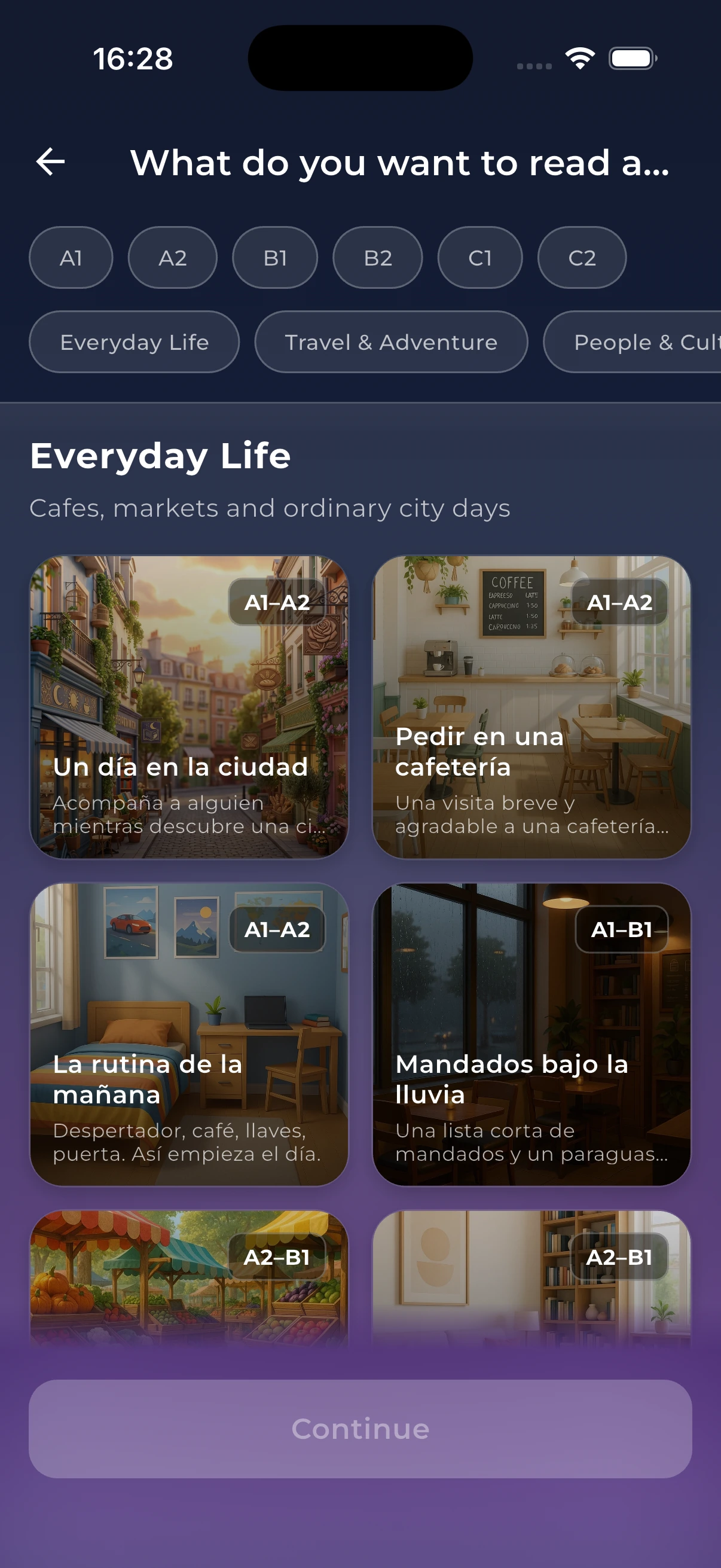
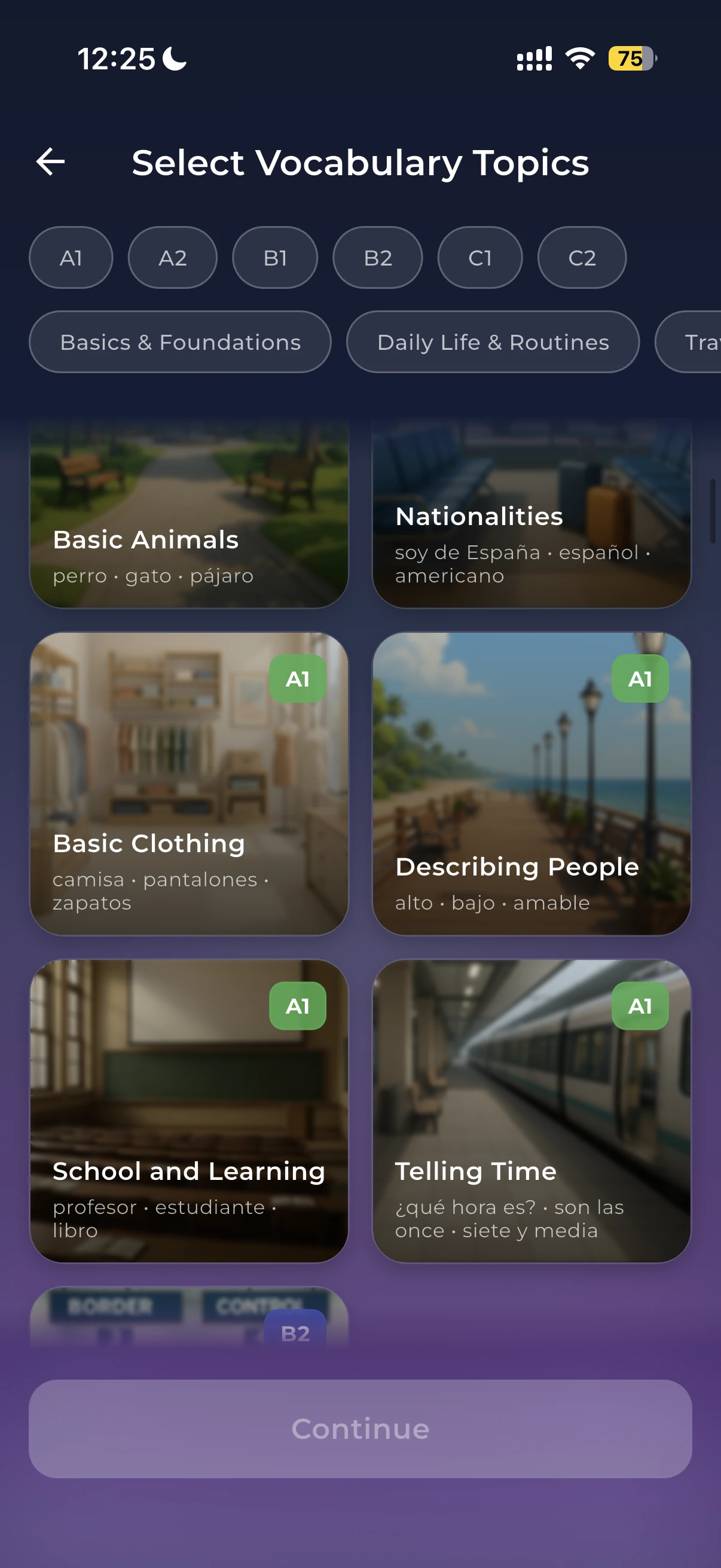
You want a levelled reading library and a dictionary that feeds spaced repetition
You want conversation and role-play built in, not a beta tab in a few languages
Pick Babbel if
You want the clearest grammar explanations of any consumer app
You are learning Spanish, French, German, or Italian and want a course written by linguists
You like a desktop web experience alongside the phone
You prefer a finished, edited curriculum over anything AI-generated
Where Babbel is genuinely better
Babbel's editorial quality is real. A team of linguists writes the lessons, the grammar notes are clear and well-sequenced, and the dialogues avoid the surreal sentences other apps produce. If your bottleneck is that nobody has ever explained the subjunctive to you properly, Babbel is a better answer than any AI. It also runs on the web, which some people simply prefer. We would rather say that plainly than pretend NativePal wins every row.
Where the loop stops
Babbel's speaking practice is speech-recognition inside lessons, plus Babbel Speak — an AI conversation tab launched in open beta and available for a handful of languages. It is a reasonable start. It is not a speech analyser. NativePal's Speaking Practice puts a script on a teleprompter and scores individual vowels and consonants, plus rhythm, fluency, and connected speech, and the 60-second Daily Challenge asks you to talk freely and then shows you native alternatives at three registers.
Catalogue shape, not catalogue size
Babbel deliberately goes deep on a small list: mostly major European languages, plus Turkish and Indonesian. NativePal covers 57 target languages, with reading levelled to CEFR and to JLPT, HSK, or TOPIK where those systems apply. If you are learning Spanish, Babbel's depth is a fair argument. If you are learning Korean, Thai, or Ukrainian, the comparison does not really start.
Is Babbel or NativePal better for speaking practice?
NativePal, if by speaking practice you mean scored feedback. Babbel checks your pronunciation inside lessons and Babbel Speak adds AI conversation in a few languages, but neither breaks your speech down by sound, stress, and fluency the way NativePal's teleprompter does.
Does Babbel explain grammar better than NativePal?
For explicit grammar explanations, Babbel is genuinely strong — that is its reputation and it is deserved. NativePal teaches grammar through levelled reading, scenarios, and corrections in context rather than through written grammar notes. If you want a rule spelled out on a page, Babbel does that better.
How many languages does each app teach?
Babbel lists around 14 as of writing, mostly major European languages plus Turkish and Indonesian. NativePal supports 57 target languages, including English. Check both for your exact pair.
Is NativePal free? Babbel mostly is not.
NativePal is free to start with a daily allowance of reading, vocabulary, speaking, and chats, and premium is sold through the App Store and Google Play. Babbel gives you a limited slice of each course and then asks for a subscription. We do not list prices here because store pricing varies by region.
Can I use Babbel and NativePal together?
That is a sensible stack. Use Babbel for the written course and the grammar explanations, and NativePal for the daily loop — a story at your level, a handful of flashcards, and a scored speaking session.
Start practising today
Download NativePal and practise for free. Reading, vocabulary, pronunciation, and conversation in 57 languages. No account required.