Speak vs NativePal: a speaking-first course vs a full loop
Speak is the strongest direct rival on this page. It is built on one idea — fluency comes from talking, not tapping — and it executes it beautifully: short video lessons teach a pattern, drills make it automatic, then you use it with the AI tutor. The production quality is the best in the category, and reviewers who dislike most language apps tend to like this one. The catch is scope: around seven languages as of writing, no real free tier, and a curriculum whose deepest features were built for learners of English.
The short answer
Pick Speak if your language is on its short list and you want the most polished speaking-first course available. Pick NativePal if you want reading and vocabulary around your speaking practice, or if your language is not one of Speak's seven.
NativePal compared with Speak
NativePal
Speak
Best for
A complete practice loop: reading, vocab, pronunciation, and conversation
A polished speaking-first curriculum in a small number of languages
Speaking practice
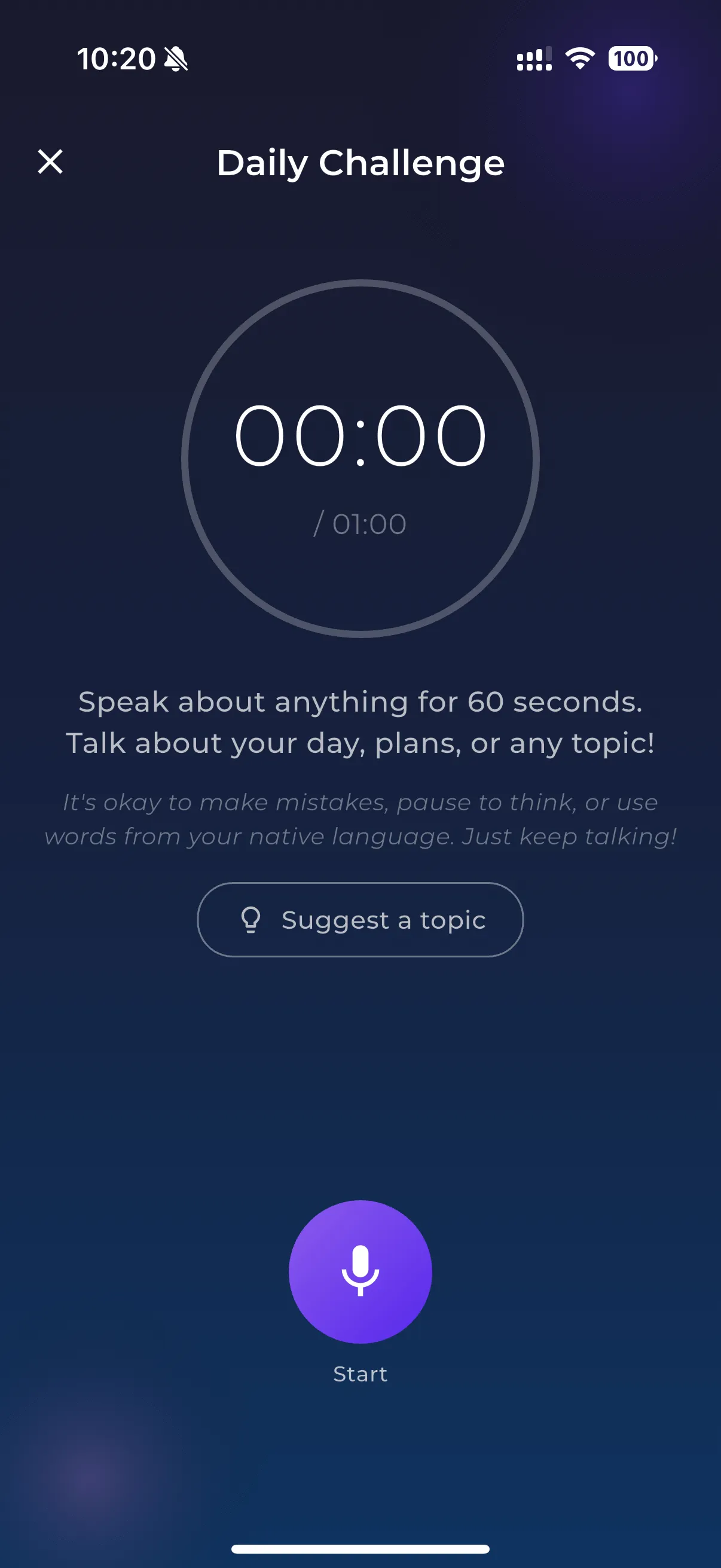
Teleprompter, 60-second daily challenge, plus optional voice in chats
The whole product — learn a pattern, drill it, then use it with the AI tutor. The production quality is the best in the category
Pronunciation feedback
Per-sound, rhythm, fluency, and connected-speech analysis
Real-time feedback on pronunciation and phrasing; the deepest Pronunciation Coach is for learners of English
Languages
57, including English and less-common languages
Around seven as of writing — Spanish, French, Italian, Japanese, Korean, and Chinese for English speakers, plus a large English track
Conversation partner
3D Pixar-style pals, language-specific natives, custom characters
An AI tutor and situational role-play; not a character roster
Beginner path
Alphabet lessons in every language, then guided scenarios; no prior knowledge
Smart Review keeps your phrases alive; not a levelled reading library or a dictionary you build
Free to start
Yes — daily allowance; premium in the App Store and Google Play
A trial rather than an ongoing free tier
Platforms
iOS and Android
iOS, Android, web
Pick NativePal if
Your target language is not one of Speak's roughly seven
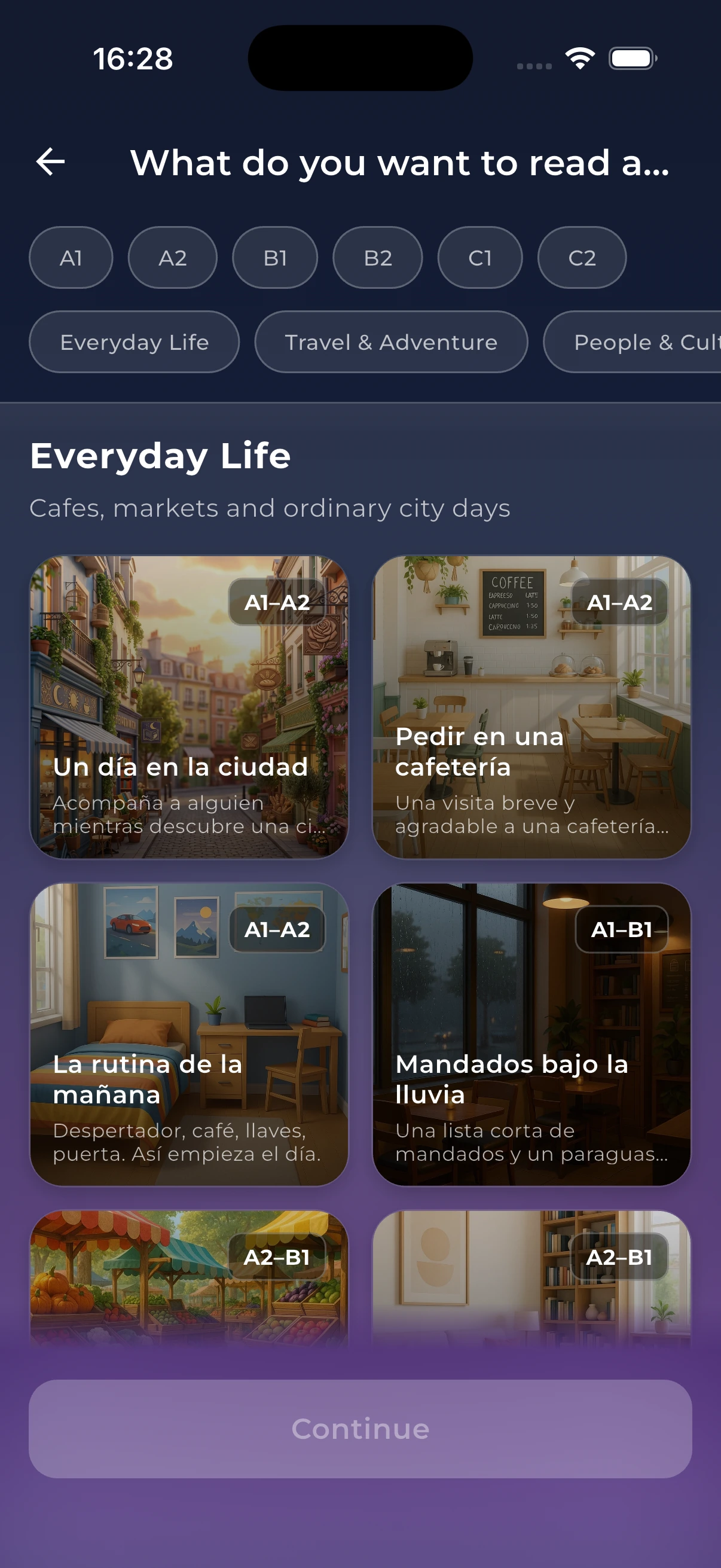
You want levelled reading with tappable words and comprehension quizzes
You want a personal dictionary that feeds spaced-repetition flashcards
You want an ongoing free tier rather than a trial
Pick Speak if
You are learning Spanish, French, Italian, Japanese, Korean, or Mandarin and want maximum polish
You are a non-native English speaker — the English track is Speak's flagship
You want a video-led curriculum that sequences speaking for you
You do not mind subscribing after a trial rather than using a free tier
Where Speak is genuinely better
The curriculum. Speak's three-step loop — learn the phrase native speakers actually use, drill it until it is automatic, then apply it in conversation with the AI tutor — is well sequenced and superbly produced. Its Pronunciation Coach gives real-time feedback inside the dialogue, naming the sound you missed while you are still speaking, though the deepest version of that feature is for learners of English. If your language is on the list and you can afford a subscription, Speak is a serious product, not a thin AI wrapper.
Speaking is the whole product — which is also the limit
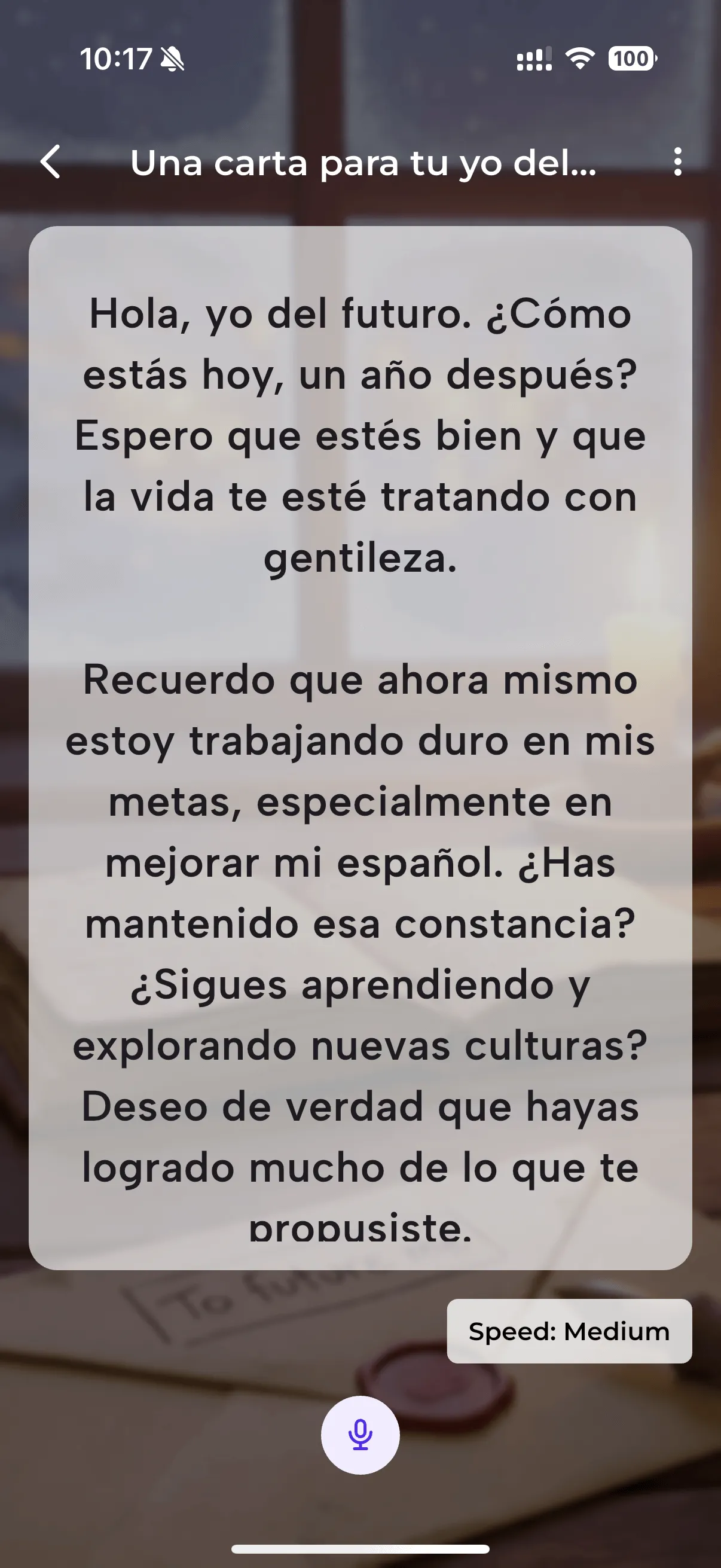
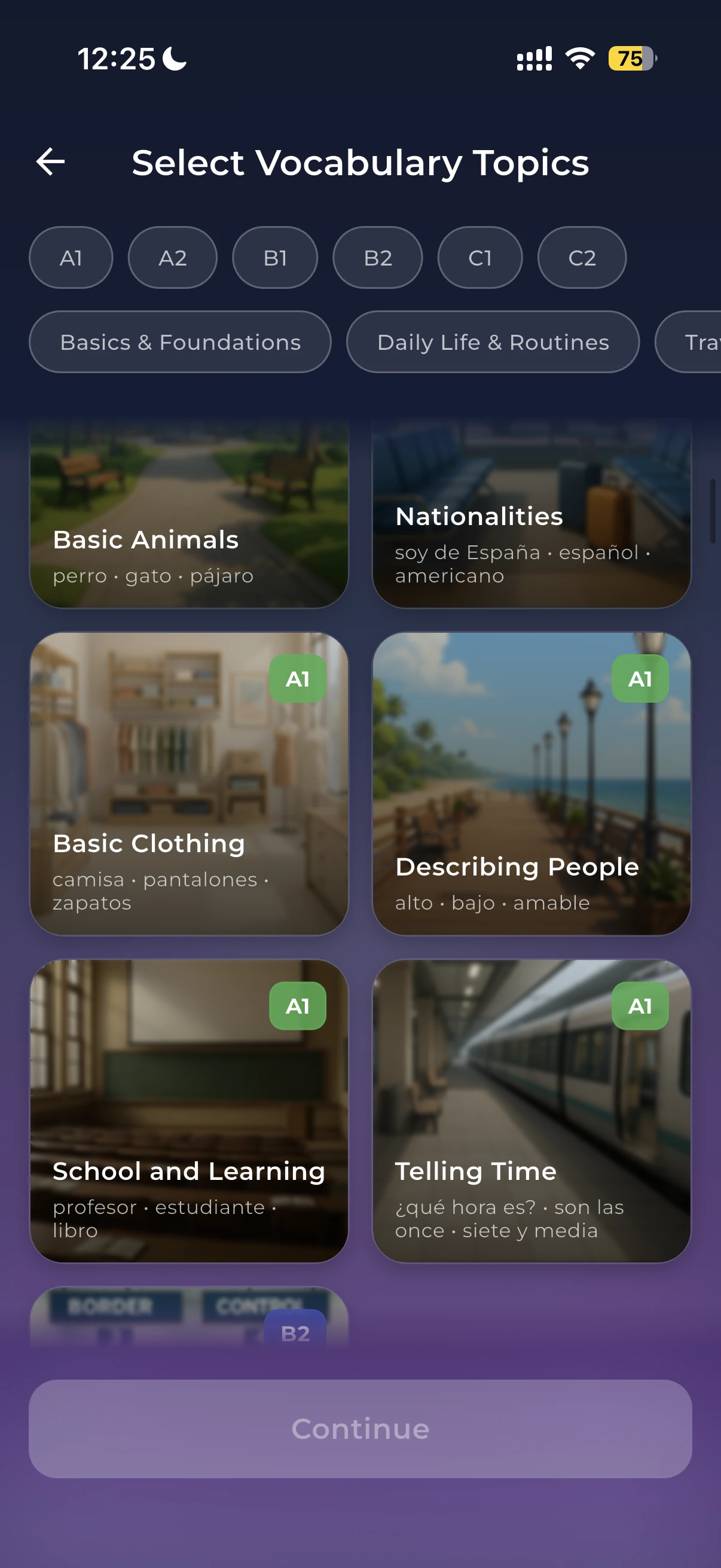
Speak's Smart Review keeps your phrases alive, but there is no levelled reading library and no dictionary you build from your own reading. NativePal has both: CEFR-levelled stories with tappable words and comprehension quizzes, JLPT, HSK, and TOPIK levels where those apply, themed vocabulary lessons, and a personal dictionary feeding spaced-repetition flashcards. Speaking Practice and the 60-second Daily Challenge sit next to those rather than replacing them.
Seven languages vs fifty-seven
Speak's small catalogue is why each course is so polished, and that is a fair trade. It is also a hard stop. NativePal covers 57 target languages, taught natively rather than as translated English courses, with 3D characters, immersive role-play, and alphabet lessons for every one of those languages. If you are learning Thai, Ukrainian, Vietnamese, or Arabic, the comparison does not really begin.
Is Speak or NativePal better for speaking practice?
Both are built for it, and Speak's curriculum is more tightly sequenced — it decides what you should practise next and produces it beautifully. NativePal's teleprompter goes further on analysis, reporting individual vowels and consonants, prosody, fluency, and connected speech, and its 60-second Daily Challenge gives you freeform talk with native alternatives at three registers. If your language is on Speak's list, it is a close call.
How many languages does Speak support?
Around seven as of writing — Spanish, French, Italian, Japanese, Korean, and Simplified Chinese for English speakers, plus a large English track for everyone else. NativePal supports 57 target languages, including English.
Does Speak have a free tier?
It offers a trial rather than an ongoing free tier, so you will need to subscribe to keep using it. NativePal is free to start with a daily allowance of reading, vocabulary, speaking, and chats, with premium sold through the app stores.
Which is better for reading and vocabulary?
NativePal, clearly. Speak's Smart Review recycles the phrases from its lessons, but it has no levelled reading library and no personal dictionary. NativePal's reading lessons are levelled to CEFR — plus JLPT, HSK, or TOPIK where relevant — and anything you tap becomes a spaced-repetition flashcard.
Start practising today
Download NativePal and practise for free. Reading, vocabulary, pronunciation, and conversation in 57 languages. No account required.